
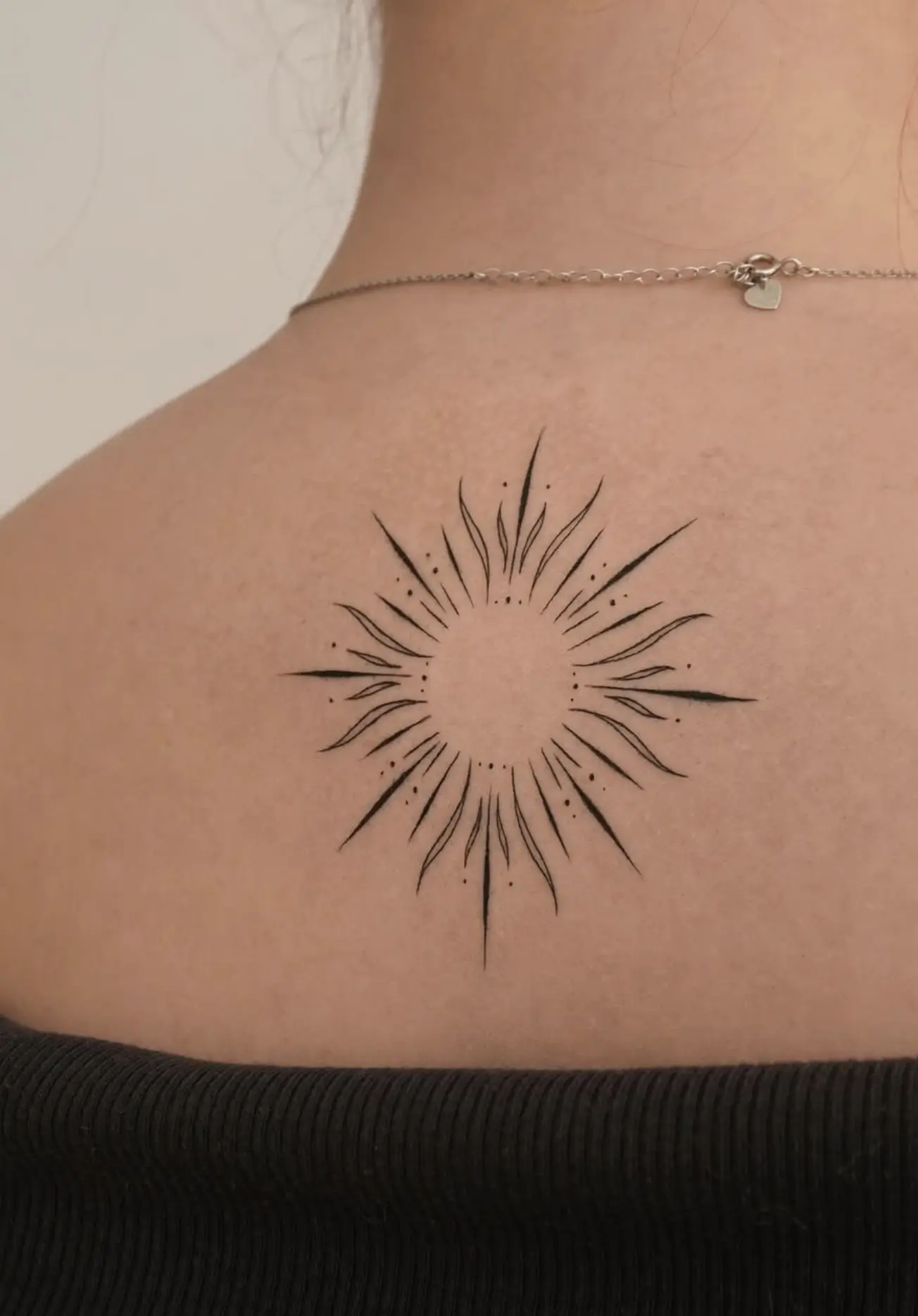
You’ve just sat through a detailed tattoo session with a professional tattoo artist, and now that it’s healing, you’re wondering Why does my fine line tattoo look smudged? You’re not alone — and no, it’s not ruined. But it’s worth understanding why that crisp line work you walked out with now looks like it’s melting into your skin.
Let’s break down the real reasons behind this blurry phase, what’s normal, what’s not and how to make sure your next tattoo design stays sharp and stunning.
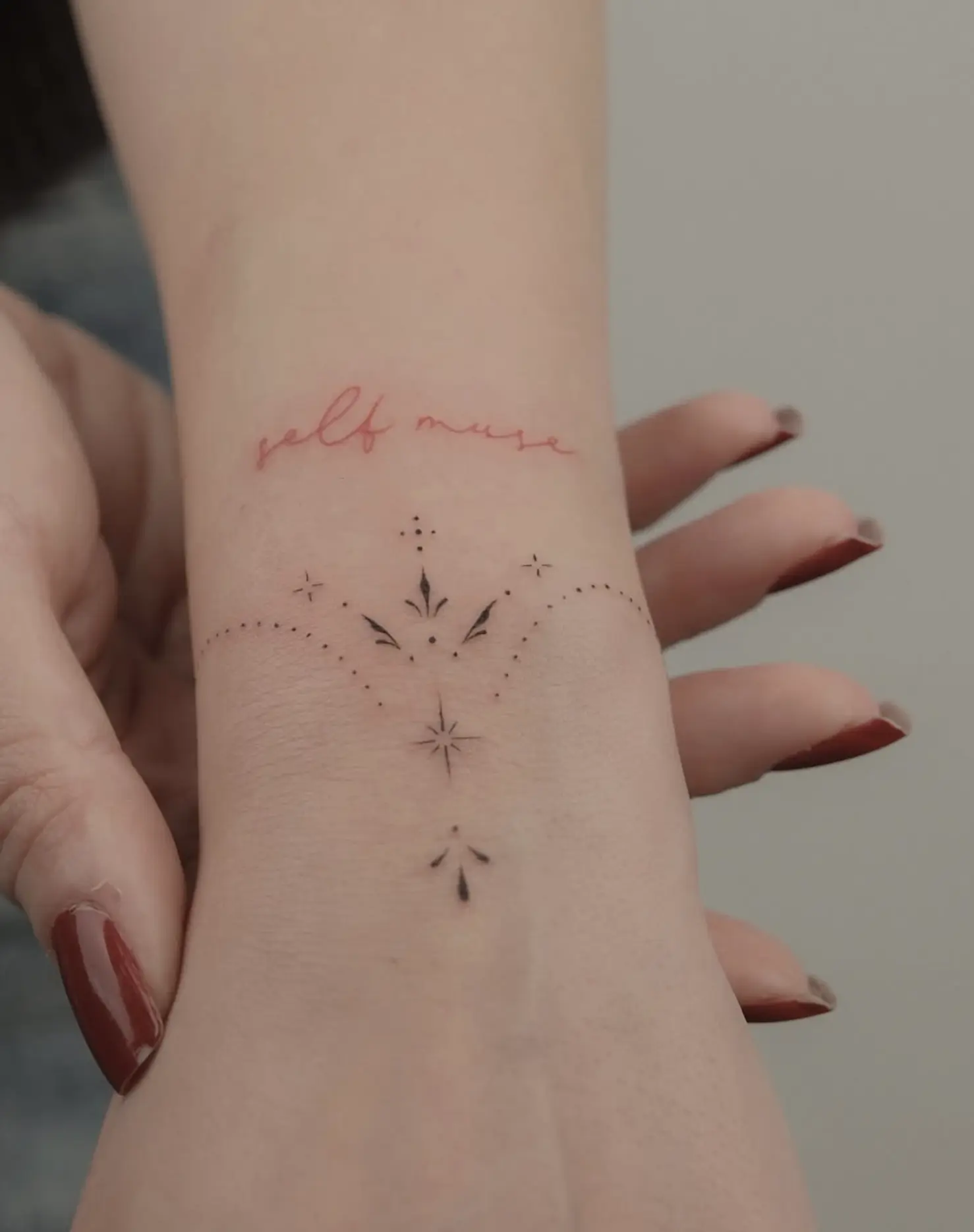
Contents
- 1 The early healing haze
- 2 Real talk from the studio
- 3 Signs something’s off
- 4 True story
- 5 Melbourne skin = extra challenges
- 6 Studio tip
- 7 Placement matters
- 8 Technique and tools
- 9 Skin type and age
- 10 Social media vs reality
- 11 How to reduce smudging risk
- 12 Industry stat
- 13 When to get it checked or corrected
- 14 FAQ
The early healing haze
Before we jump to panic, let’s talk about the healing process. Your skin’s just had single needles gently (or not so gently) drag tattoo ink into the second layer — the dermis. That’s a wound. A beautiful one, sure, but still a wound.
What you’re seeing in the first few days (or even weeks) isn’t necessarily smudging — it’s:
- Swelling that subtly distorts the line work
- Lymph and plasma buildup making it look foggy
- Scabbing or flaking pigment that blurs detail temporarily
So if your fine line tattoo looks cloudy or soft right now, give it time. Healing tattoos often go through awkward phases before revealing their final form.
Real talk from the studio
At Face Figurati Cosmetic Tattoo Studio in Melbourne, we always warn clients that day 3 to day 10 is the danger zone for overthinking. Trust the healing process, don’t pick at it and follow your tattoo aftercare. The sharpness almost always returns once the skin settles.
Signs something’s off
That said, not every smudge is part of the journey. Sometimes that foggy look doesn’t fade — and you’re left with lines that look more like blurry halos or bruises.
Here’s when it could mean more than just healing:
- Tattoo blowouts: Pigment spread too deep into subcutaneous tissue, usually due to bad technique or overworked skin
- Poor skin match: Thin or highly vascular skin (like fingers or inner arms) distorts ink easily
- Too much detail in too small a space: Crowding tiny lines = inevitable tattoo ink bleeding
- Wrong aftercare: Heavy creams, soaking baths, hot water or sun exposure can cause pigment migration
True story
One of my clients used a heavy petroleum-based tattoo balm every few hours (despite being told not to). Her tiny floral wrist tattoo blurred in some areas — we fixed it, but it never looked as sharp as it could’ve.
Melbourne skin = extra challenges
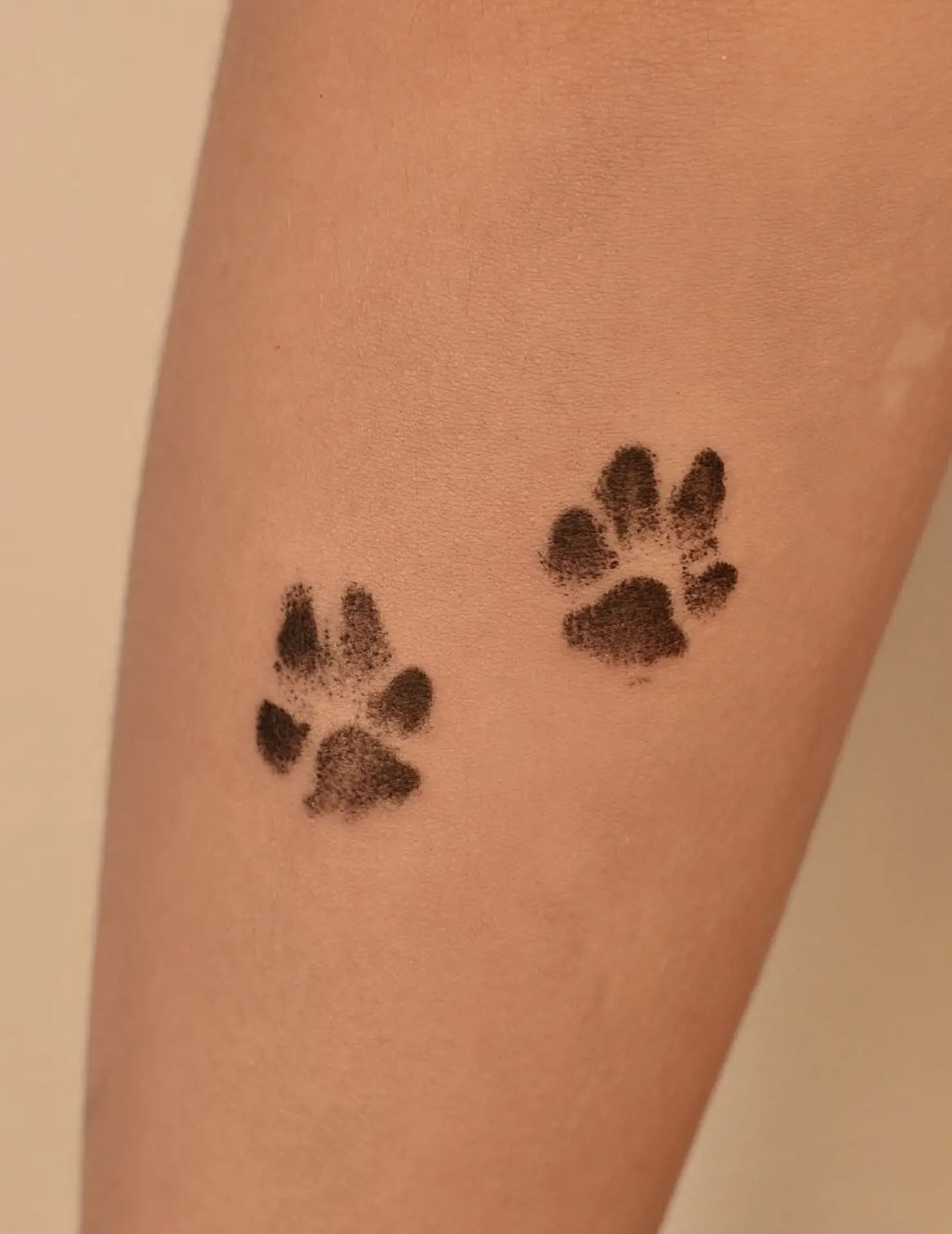
If you’re local, you know Melbourne weather can be a bit weird (read: four seasons in one day). That screws with tattoo healing.
In summer, excess sweat and UV rays can shift pigment before it settles. In winter, dry air can cause tight, flaky skin that cracks healing tattoos.
Studio tip
We adjust aftercare by season at Face Figurati. In summer, we recommend breathable dressings and mineral tattoo sunscreen. In winter, light occlusive balms that don’t clog but keep moisture in.
Placement matters
Some areas smudge more, no matter how good your tattoo artist is. Areas where the skin is thin, in constant motion or exposed to a lot of friction are notorious for muddying detail.
| Tattoo Placement | Risk of Smudging | Why It Happens |
|---|---|---|
| Fingers | High | Thin skin, frequent use |
| Inner arms | Medium-High | Sweat + movement |
| Ankles | Medium | Tight shoes, friction |
| Collarbone | Low | Stable, minimal stretch |
| Forearms | Low-Medium | Regular exposure, but heals well |
If your fine line tattoo is on your hands, wrists or feet, some smudging is, unfortunately, part of the risk.
Technique and tools
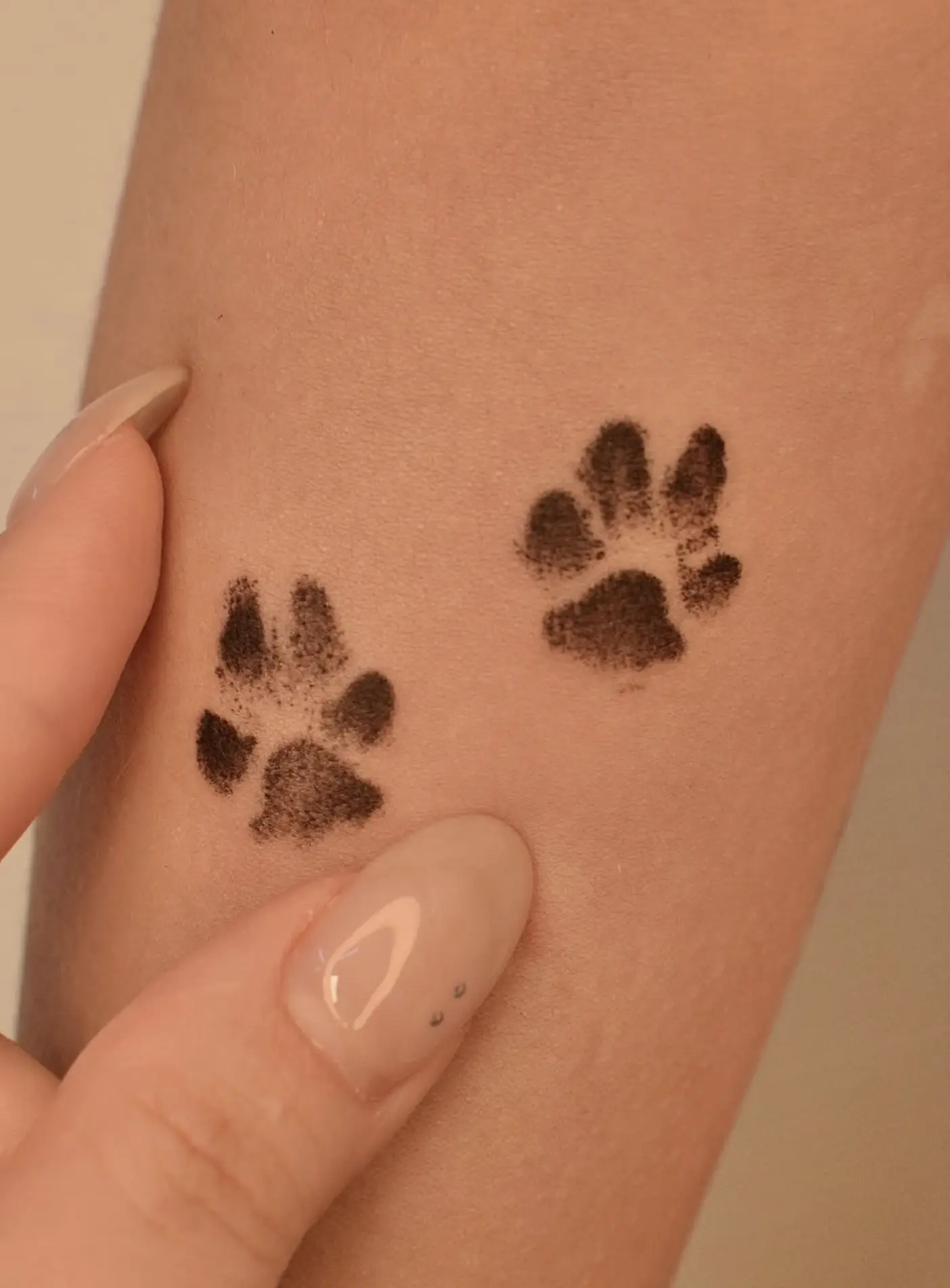
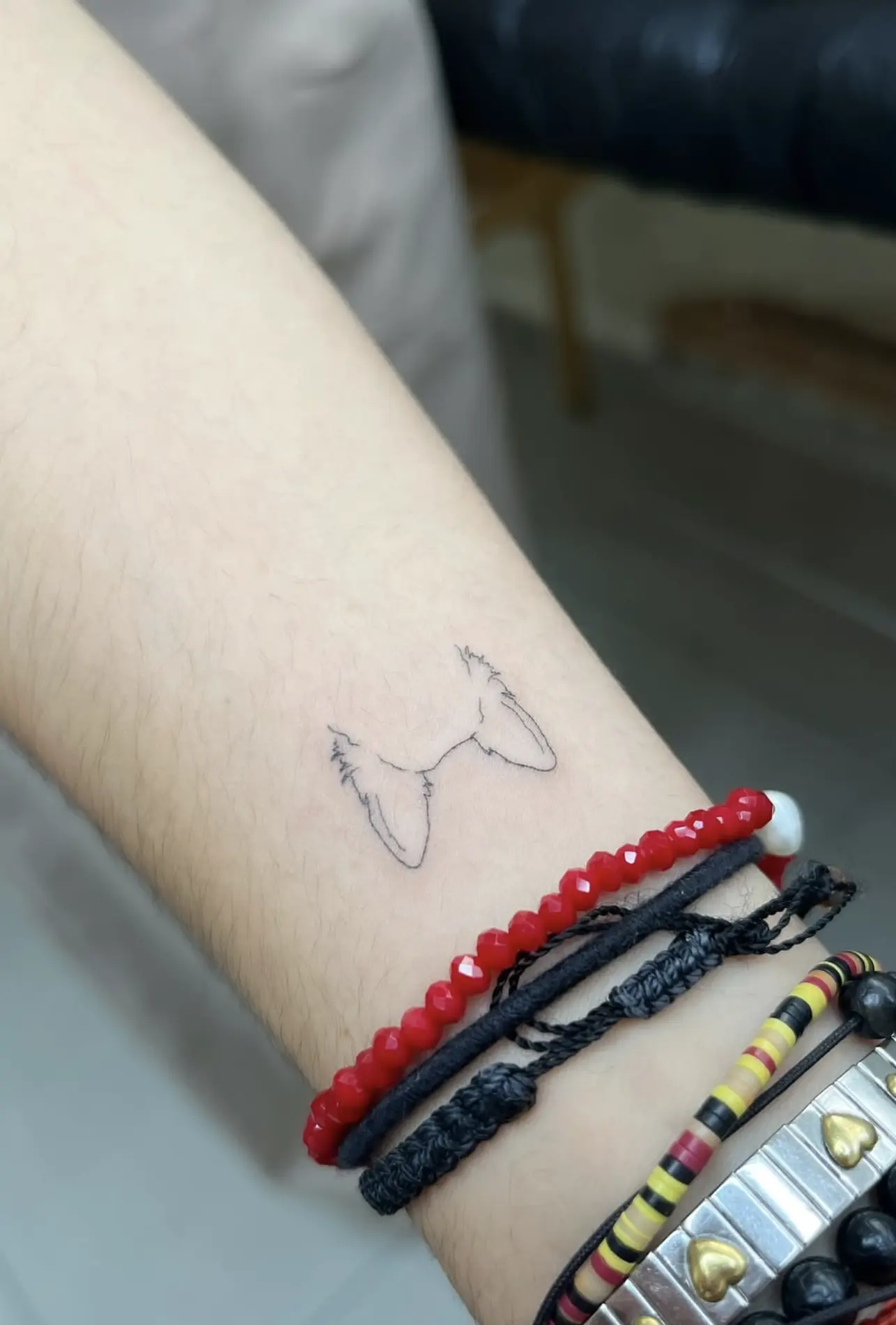
Let’s be real: not all artists are trained in fine line technique. That’s how a dreamy minimalist moon ends up looking like a fuzzy blob by week two.
This is why I often suggest clients look for someone who has taken a reputable fine line tattoo course — it shows they’ve been trained in the details that make or break this style.
Here’s what matters:
- Needle grouping: Single needle or three-round liners are best
- Tattoo machine type: Digital rotary machines are more precise and less traumatic
- Hand pressure: A feather-light hand is key. Too heavy = blowouts
- Needle depth: Pigment needs to land in the dermis, not the fat layer or subcutaneous tissue
At Face Figurati, we only use premium single needles designed for fine detail. Our machines are calibrated for control, and we’ve spent years perfecting our hand pressure for different skin types.
Skin type and age
Some skin just doesn’t love fine line work. That’s not a fault — it’s biology. And it’s why every cosmetic tattoo artist worth their salt takes the time to assess your skin before starting, especially with fine line tattoos.
Challenging skin factors include:
- Mature skin: Thinner and more delicate = easier to damage
- Very oily skin: Ink tends to spread under the surface
- Inflamed or acne-prone areas: Less predictable healing
Your lymphatic system, skin layers and personal tattoo experience all contribute. Always tell your artist about your skin history. A good one will adapt technique or even advise against certain placements.
Social media vs reality
Online fine line tattoos look crisp, poreless, and perfect. In real life? Even the best healed tattoos soften with time. That’s not failure — it’s ink living in a living organ. A healed fine line tattoo will often look 10–20% softer than its fresh version. That’s normal.
I say this as both a permanent makeup artist and tattoo professional — filters and fresh ink can be deceiving. Always look for healed results.
How to reduce smudging risk
Planning your tattoo with longevity in mind goes a long way. Here’s what I tell clients during consults:
- Choose an experienced professional tattoo artist (check healed work, not just fresh)
- Avoid blood thinners like aspirin or alcohol 24 hrs prior
- Moisturise skin in the week leading up (but not the day of)
- Don’t schedule hot yoga, saunas, or beach days within 2 weeks after your session
Whether you’re seeing a cosmetic tattoo artist or a fine line specialist, be sure to ask about their healing approach and what products they recommend.
During healing:
- Use only the tattoo aftercare recommended by your artist (usually mild antibacterial soap and healing ointments)
- Avoid workouts, pools, long showers, hot water, and sun exposure for 7–14 days
- Let the scabs fall off naturally — no picking!
After it heals:
- Always wear sun protection or tattoo sunscreen on the tattoo
- Expect a touch-up session if necessary
Industry stat
According to Australian tattoo industry data from 2025, 38% of fine line tattoos require at least one touch-up within the first 12 months. That’s not a flaw — it’s a feature.
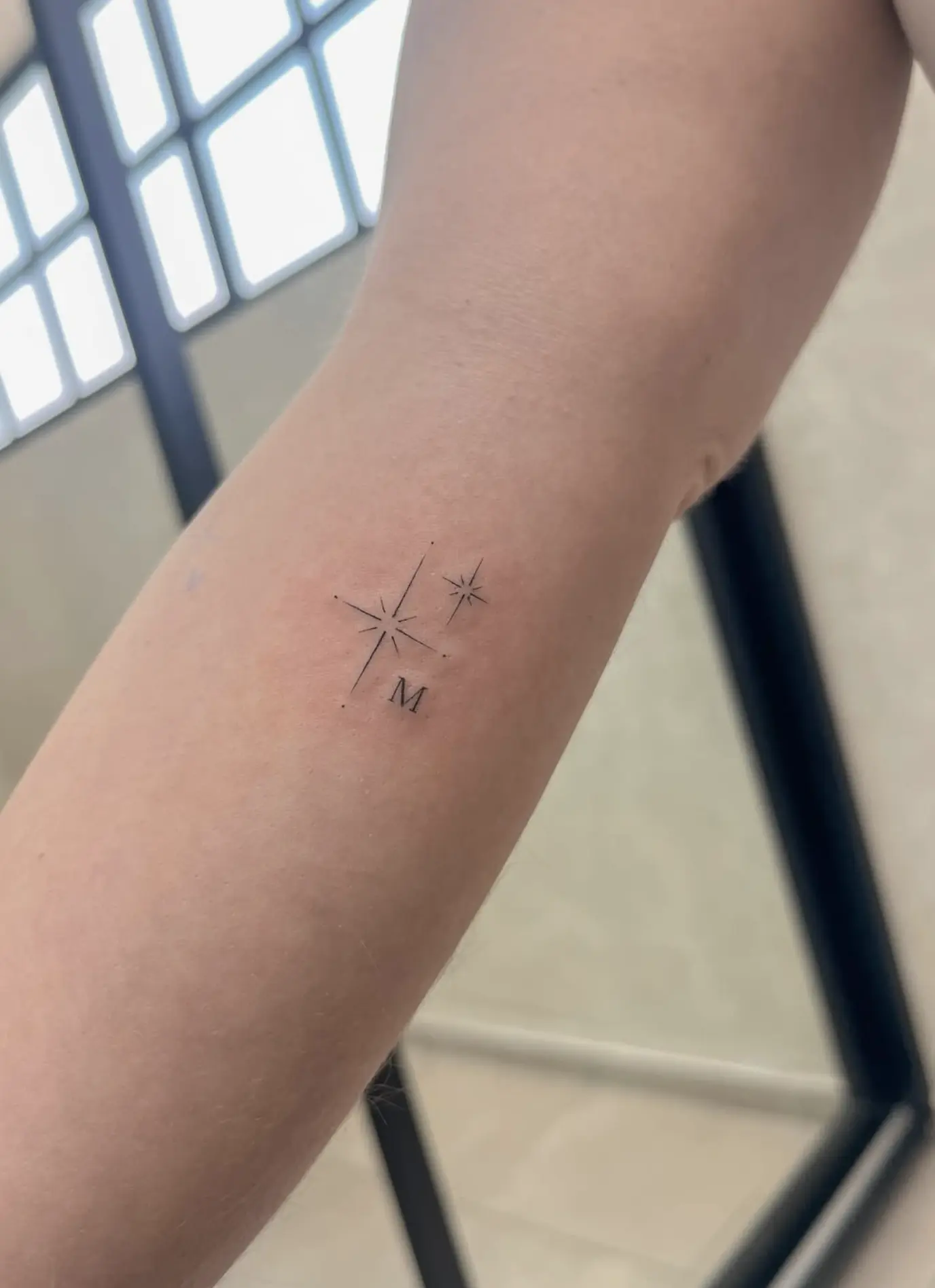
This is especially true for those delicate styles you see from a fine line tattoo specialist — the kind of designs that look like they were drawn with pencil, not ink. Because the work is so light and subtle, it can fade or become a patchy tattoo depending on skin behaviour, friction or healing hiccups. A good artist will plan for this and offer refinement sessions.
When to get it checked or corrected
If the smudging is:
- Worsening after 3–4 weeks
- Accompanied by raised, blue-ish edges
- Causing you distress
…it’s time for a consult. In Melbourne, we offer tattoo coverup and correction options at Face Figurati — from laser therapy to surgical removal or precise reworking of blurred lines.
We’ve salvaged everything from blown-out constellations to fuzzy florals. The earlier you come in, the better we can address it — whether with a cover up, laser treatment or a new design.
FAQ
Can a smudged fine line tattoo be fixed?
Yes, depending on the cause. If it’s a mild blur from healing, it may correct itself. If it’s tattoo blowouts or ink bleeding, a skilled artist can refine, camouflage or remove it with laser therapy or surgical tattoo removal.
Is it normal for fine line tattoos to blur over time?
Yes. Fine lines naturally soften a bit as they age. That’s expected — especially in high-movement or sun-exposed areas.
How do I know if my artist caused a blowout?
Signs include ink that appears under the skin beyond the design, usually with a bluish tint. It often happens when the needle depth was too deep into the fat layer.
Do all fine line tattoos need a touch-up?
Not all, but many do. Around 38% require one within the first year, especially in tricky placements like fingers or ribs.
Can sunscreen prevent tattoo smudging?
Not prevent entirely, but sun protection helps preserve sharpness long term. UV rays are a big culprit in fading and blurring.