
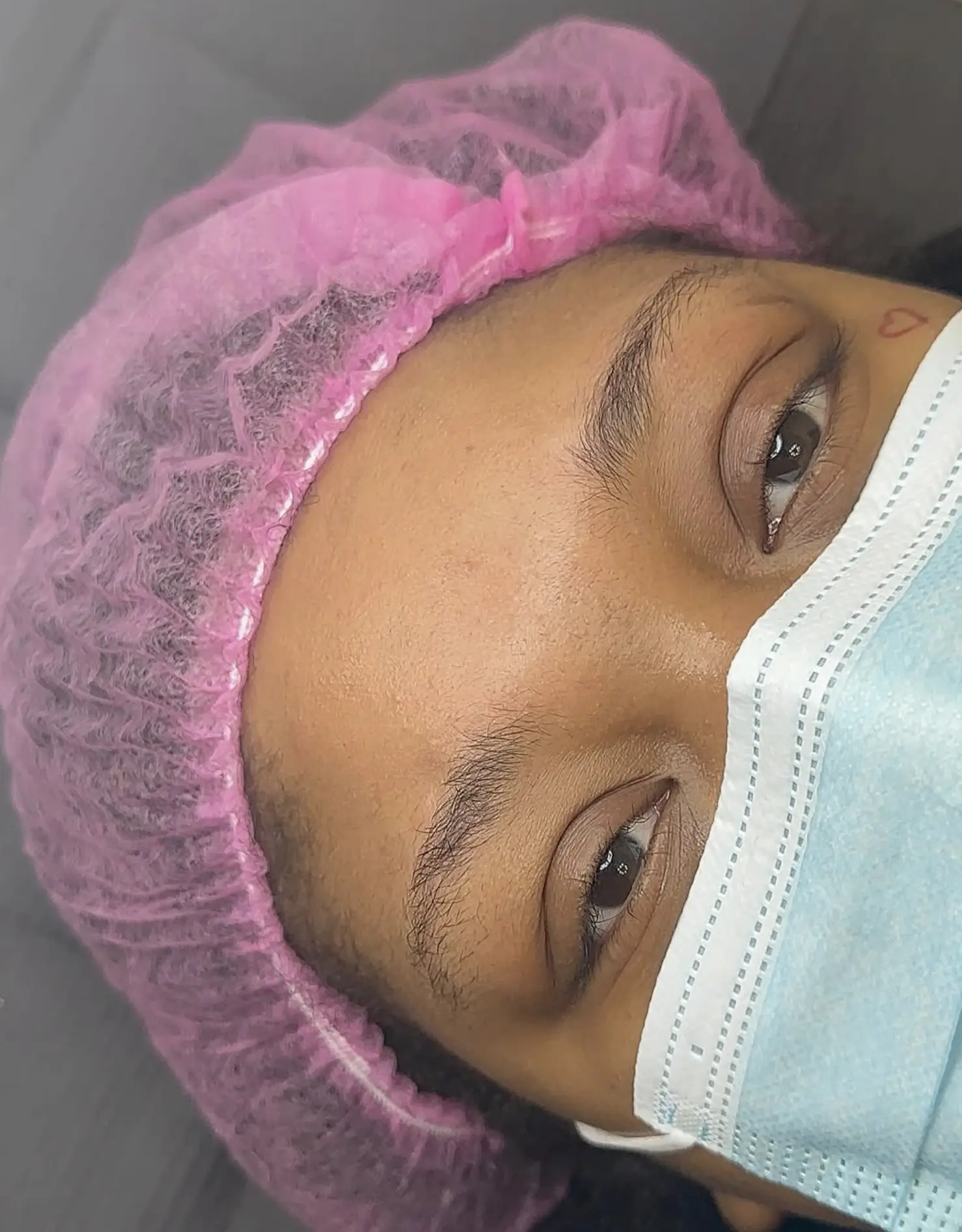
“Is PMU pigment better than tattoo ink?” is one of the first questions clients ask when they’re considering a brow, lip or eyeliner tattoo. And it’s a fair one — after all, you’re trusting this colour to live in your skin for years. If you’ve ever seen brows that turned an odd shade of red or lips that healed patchy, you’ll know why the pigment choice matters just as much as the artist.
At Face Figurati here in Melbourne, I’ve spent nearly a decade perfecting cosmetic tattooing with professional PMU pigments. Today I’ll break down the difference between permanent makeup pigments and traditional tattoo inks — and why choosing the right one is key to safe, natural and lasting results.
Contents
PMU Pigments vs Tattoo Ink
Before we get into the pros and cons, let’s get clear on what sets PMU pigments apart from regular tattoo inks.
- Formula: PMU pigments are designed for the delicate skin of the face, not body tattoo inks, which are made for deeper placement in thicker skin.
- Longevity: PMU pigments are semi-permanent, naturally fading over time, while tattoo inks are designed to stay bold and permanent.
- Ingredients: Cosmetic pigments often contain iron oxides or organic compounds safe for facial application, whereas tattoo inks may include heavier metals or carbon black.
- Look & Healing: PMU pigments heal softer, more naturally and fade more gracefully compared to the sharp, bold nature of tattoo inks.
Many of my clients first learn about these differences when researching cosmetic tattoo courses, which often teach the science of pigment formulation alongside application techniques.
| Feature | PMU Pigments (Cosmetic Tattoo) | Tattoo Ink (Body Tattoo) |
|---|---|---|
| Depth of Placement | Upper dermal layer | Deep dermal layer |
| Longevity | Semi‑permanent (2–5 years) | Permanent (10+ years) |
| Colour Options | Natural skin‑tone friendly | Bold, vibrant shades |
| Healing Process | Softer, minimal scarring | Stronger immune reaction |
| Best Use | Brows, lips, eyeliner, scar camouflage | Large body art tattoos |
Why Pigment Depth Matters
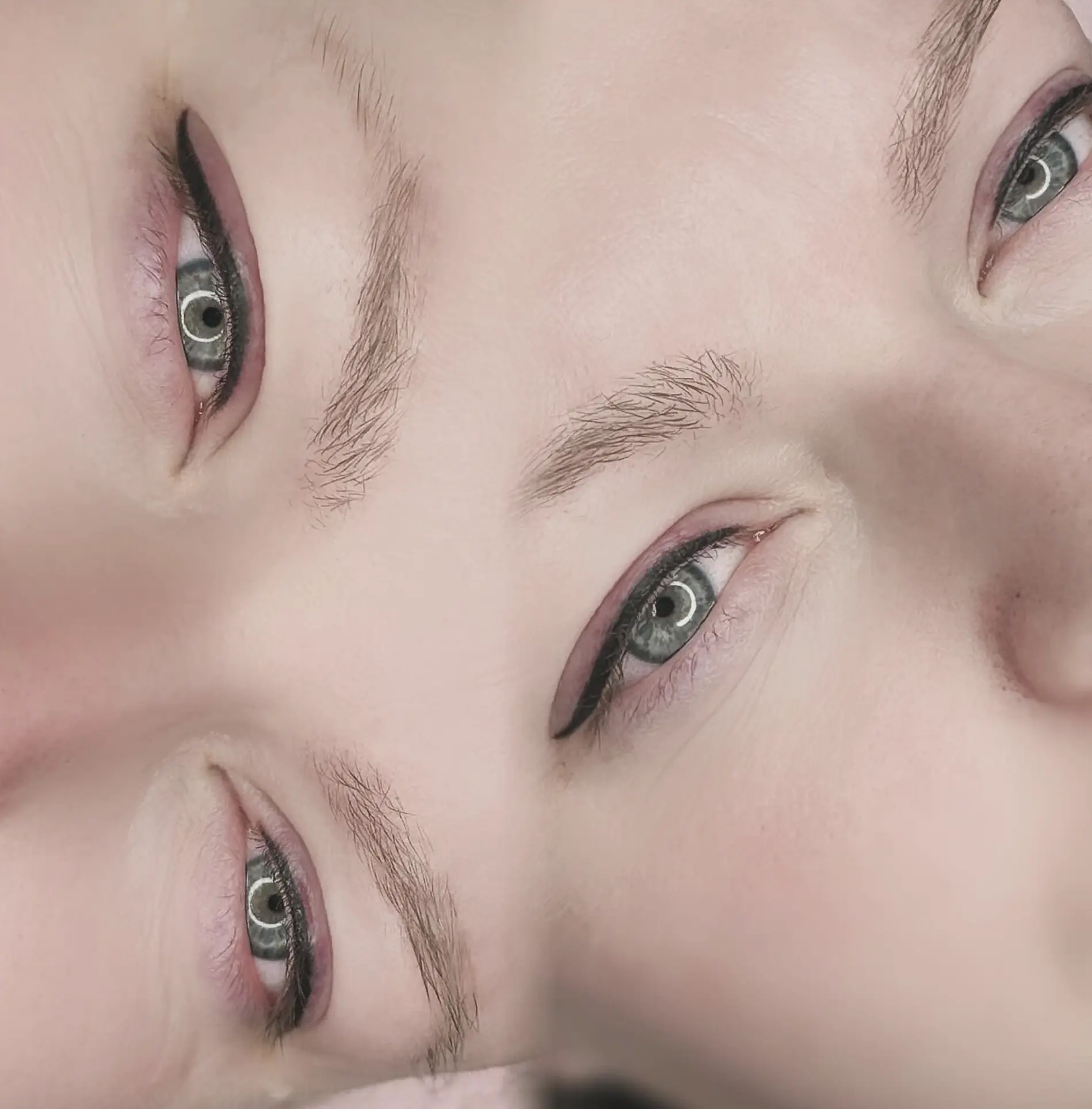
One of the biggest differences is how deep the pigment sits in the skin. PMU tattooing places pigment in the upper dermal layer. This allows for colour correction over time and avoids the “forever stuck” look that many worry about.
When I do an eyebrow tattoo or lip blush in Melbourne, I always explain to clients that shallower placement means softer fading. This is why we schedule touch-ups — not because the pigment is “bad quality,” but because the skin naturally exfoliates.
For those studying eyebrow tattoo courses, understanding pigment depth is one of the first technical lessons taught, since it directly affects colour retention and healing.
Safety Standards
Not all inks and pigments are created equal. In Australia, cosmetic tattoo pigments are subject to stricter safety testing than many imported tattoos inks.
- Regulated ingredients: PMU pigments avoid toxic heavy metals that some tattoo inks still contain.
- Allergy considerations: Cosmetic pigments are designed to reduce allergic reactions — important for clients with sensitive skin.
- Medical tattooing needs: For scar camouflage or breast reconstruction, PMU pigments are the safe, medically recognised choice.
When training new artists, I always stress that choosing the right pigment is part of ethical practice — a focus strongly emphasised in reputable cosmetic tattoo courses across Melbourne.
Real-Life Studio Example
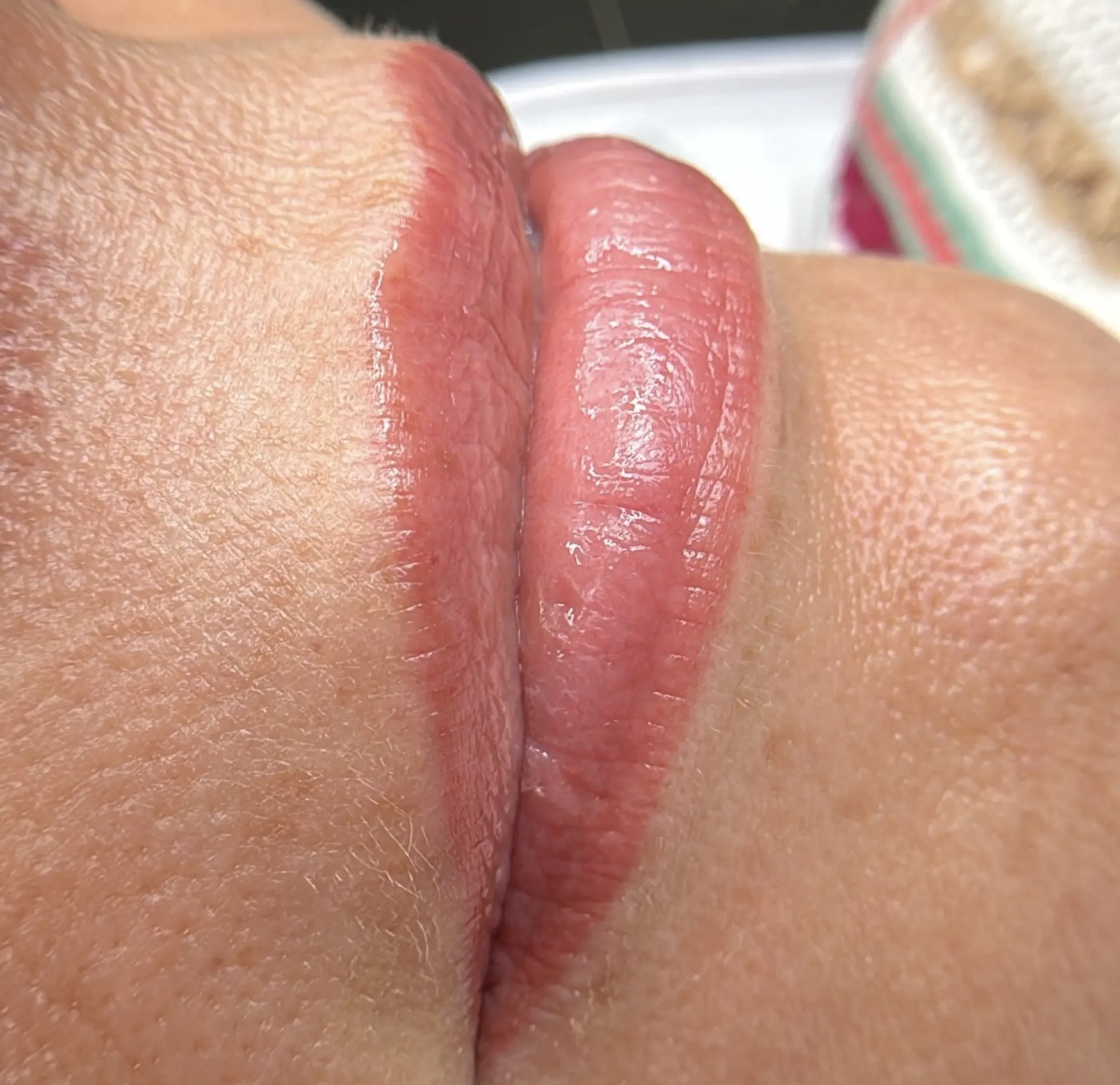
A Melbourne client came in after getting her lips tattooed with regular tattoo ink at a non-specialist salon. Within months, the colour had migrated and turned into a cool, bluish outline. We corrected her lips with a warm shade designed for mucosal skin. The result healed evenly and softened naturally — no more harsh outlines.
Stories like this is why Permanent makeup is such a growing industry. We can correct old work, customise results and prioritise safety without leaving clients with harsh or unwanted outcomes.
2025 Trends: Why PMU Pigments Lead the Way
According to 2025 beauty trend reports, over 70% of Australians choosing cosmetic tattooing now request natural-looking results rather than dramatic, long-lasting colours. PMU pigments fit this trend perfectly, with soft, skin-flattering finishes.
- Brows: Ombre brows and Nano Brows are popular for their subtlety.
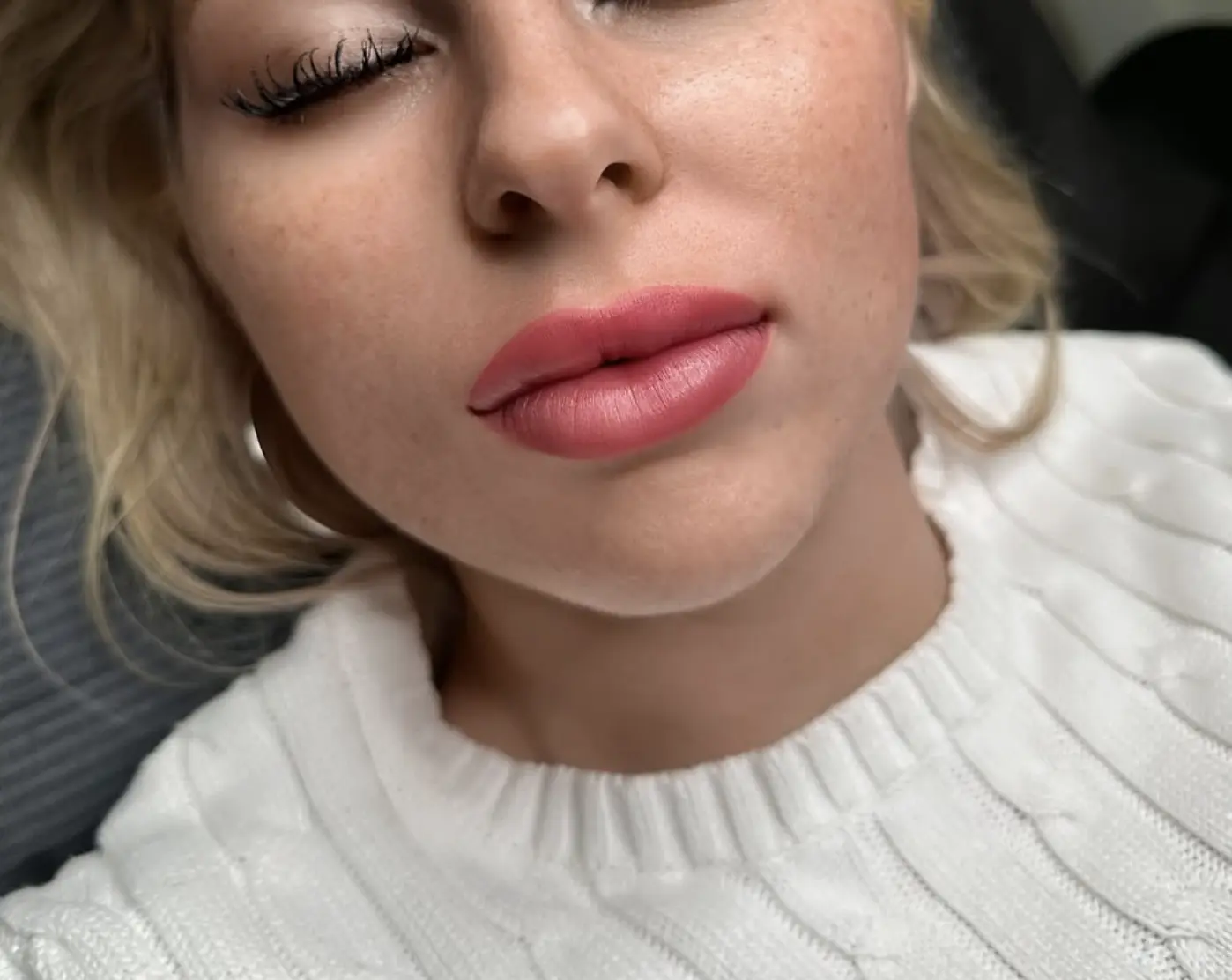
- Lips: Lip blushing is preferred over full lip tattooing with body inks.
- Eyeliner: Lash-line enhancement over bold liner.
I teach new artists in eyebrow tattoo courses at Face Figurati Cosmetic Tattoo Studio in Melbourne how to choose pigments for Melbourne.
Final Thoughts
So, is PMU pigment better than tattoo ink? For cosmetic tattooing, absolutely. It’s safer, softer and far more suitable for the delicate skin of the face. At Face Figurati, we see time and time again how the right pigment choice can make all the difference in a natural, confidence boosting result.
If you’re interested in becoming a PMU artist yourself, I always recommend starting with a reputable permanent makeup course. And if you’re a client considering treatment, book a consultation at our Melbourne studio — I’ll show you healed results and answer all your pigment questions.
FAQ
Are PMU pigments safer than tattoo inks?
Yes. PMU pigments are designed for facial skin and tested in Australia, reducing the risk of allergic reactions and scarring.
How long do PMU pigments last?
2–5 years, with refreshers every 18–24 months.
Can tattoo ink be used for eyebrow tattooing?
It can — but it shouldn’t. Tattoo ink goes too deep, resulting in harsh, long-lasting and often discoloured results.
Do PMU pigments fade completely?
They fade but may leave a soft shadow. This allows for easy touch-ups or colour changes.
What makes Face Figurati different when it comes to pigment choice?
We use only certified PMU pigments, customised to your skin tone and undertone, for natural, Melbourne-friendly results that heal beautifully.